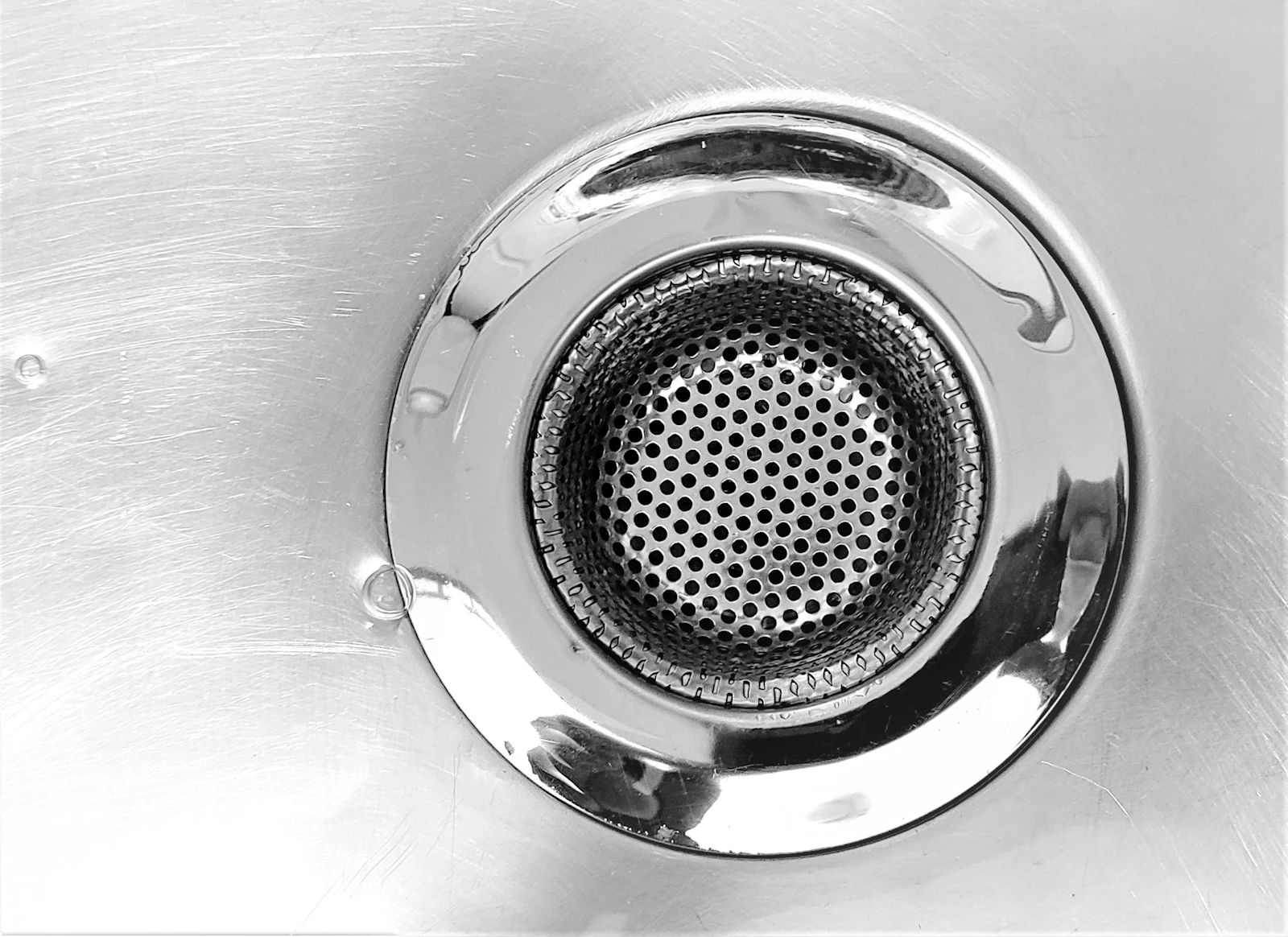
What usually causes blockages
- Fats, oils and grease poured down the kitchen sink, which set in the pipes.
- Wet wipes, sanitary products and cotton buds flushed down the toilet.
- Hair and soap build-up in shower and bath drains.
- Tree roots, collapsed or shifted pipes in older outside drains and sewer lines.
Safe things to try first
- Use a plunger on sinks and toilets (a cup plunger for sinks, a flange plunger for toilets).
- Clear hair from shower and bath traps by hand or with a drain hair remover.
- Remove and clean the trap under a sink, with a bucket underneath.
- Be careful with chemical drain cleaners: follow the label, never mix products, and don't use them if a plumber may need to work on the pipe.
Who is responsible for drains and sewers?
England and Wales: you're usually responsible for drains that serve only your property and are within your boundary. Shared drains and pipes outside your boundary are usually the responsibility of your water and sewerage company. In Scotland and Northern Ireland, check with Scottish Water or NI Water.
USA: homeowners are often responsible for the sewer lateral from the house to the public main, but the rules vary by city. Check with your city or utility before work starts.
When you need a professional
Call a plumber or drainage specialist if several drains are slow at once, water backs up in a shower or bath when you flush, there's a sewage smell, or an outside drain or manhole is overflowing. These often point to a problem further down the line that may need a camera survey or jetting.
Last updated: 14 October 2026


